


News Center
Related Articles
High-purity thiourea is widely used in electronic electroplating, scientific research and analysis, fine chemical synthesis, and other fields. Although it is relatively less hazardous than some highly dangerous chemicals, it is somewhat irritating. Improper operation during charging, dissolution, transfer, and other processes may still cause personal injury, material contamination, and damage to the quality of high-purity products. When using high-purity thiourea, fine chemical plants must ensure personnel safety while also protecting materials from impurity contamination, thereby providing dual assurance for stable production.
On-site operators must be fully equipped with personal protective equipment. High-purity thiourea is a crystalline powder that can easily generate dust during unpacking, weighing, and charging. Operators should wear dust masks to prevent inhalation of dust that may irritate the respiratory tract; wear chemical-resistant gloves to avoid direct skin contact with the powder; and wear safety goggles to prevent powder splashes from contacting the eyes and causing stinging, redness, or swelling. After completing work, promptly wash hands and exposed skin. Eating, drinking, and smoking are prohibited in the work area to prevent indirect ingestion through contact.
Weighing and dissolution are key control points in fine chemical production. High-purity thiourea is highly sensitive to impurities. Weighing tools and dissolution containers must be kept clean and dry to avoid rust, dust, and residues of other chemicals, as external impurities can directly reduce the product grade. Charge materials slowly to minimize dust generation, and use enclosed charging methods whenever possible. Clean deionized water is recommended for dissolution; ordinary tap water must not be used, in order to prevent calcium, magnesium, and chloride ions from entering the system. Control the water temperature during dissolution. High-temperature hot water is not recommended, as high temperatures accelerate thiourea decomposition, generate by-products, and affect solution quality.
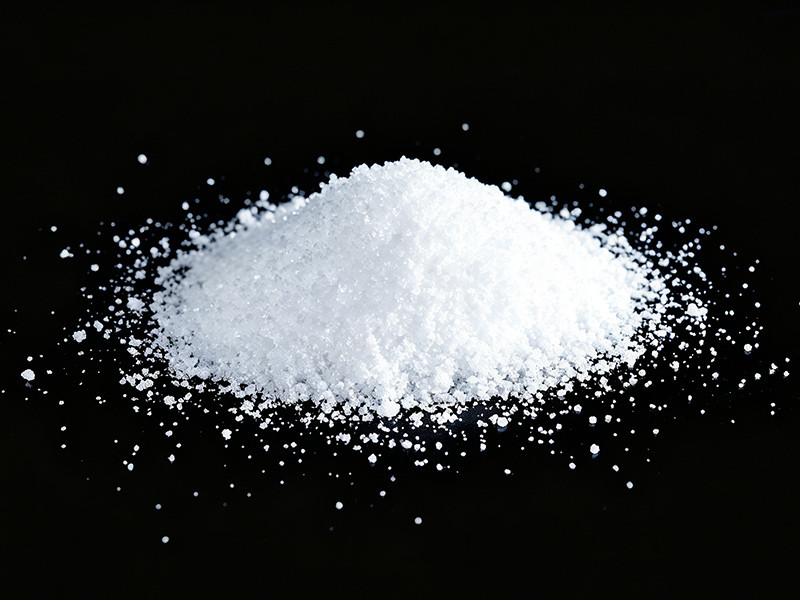
On-site environmental management must not be overlooked. Workstations should be well ventilated, with exhaust systems operating properly to promptly remove suspended dust. Work surfaces must be kept clean. Spilled high-purity thiourea powder should be collected and recovered using clean plastic tools. Do not wash the floor directly with water, as this would not only waste material but also create environmental risks if thiourea-containing wastewater flows directly into the drainage system. Collected spilled material should be stored separately for evaluation. Contaminated material must not continue to be used in high-end electroplating or pharmaceutical synthesis processes.
During transfer and temporary storage, promptly seal the bags of unpacked high-purity thiourea during work intervals to prevent dust and moisture from entering and causing deterioration or grade reduction. Do not place it on the same workbench as strong acids, strong alkalis, or strong oxidizing agents, in order to prevent accidental contact and chemical reactions. Thiourea of different grades, namely industrial grade and high-purity grade, must never be stored or used together to prevent cross-contamination.
Waste liquid and residue disposal is also part of safe operation. Waste mother liquor generated during solution preparation and wastewater from cleaning containers must not be discharged arbitrarily. They must be collected and handled by qualified entities in accordance with chemical hazardous waste management regulations.
In addition to operational requirements, companies must provide personnel training so that operators are familiar with material properties and emergency response procedures. In case of skin contact, rinse thoroughly with plenty of water. If the material enters the eyes, rinse continuously with clean water and seek medical attention promptly.
Many fine chemical companies focus only on product purity indicators while overlooking safety risks and secondary contamination caused by on-site operations. Standardized safe operating procedures can protect the health of operators, safeguard the quality baseline of high-purity thiourea, reduce material losses, prevent production accidents, and ensure the stable operation of the entire process.
Leave Us a Message