


News Center
Related Articles
High-purity thiourea is widely used in industries with stringent impurity-control requirements, such as electronic electroplating, scientific research experiments, and fine synthesis. Compared with ordinary industrial thiourea, high-purity thiourea is more sensitive to storage conditions. Improper storage may lead to moisture absorption and caking, oxidative deterioration, and the introduction of external impurities. Even if the product passes factory inspection, its use may still cause plating bath contamination, deviations in experimental data, and reduced quality of synthesized products. Therefore, proper storage is essential to ensuring the quality of high-purity thiourea.
The basic environment of the storage warehouse is the primary control point. Warehouses used to store high-purity thiourea must be kept dry, cool, and well ventilated. Ambient temperatures should not be excessively high, and the material should be protected from direct sunlight and kept away from all heat sources, including heating equipment and steam pipes. High temperatures accelerate the decomposition of thiourea itself, resulting not only in the loss of active ingredients but also in the generation of sulfur-containing irritating gases. Warehouse relative humidity must also be strictly controlled, as humid air can cause crystals to absorb moisture and cake. High-purity thiourea that has caked will not only exhibit reduced dissolution efficiency; moisture-induced decomposition can also generate new impurities, directly compromising its high-purity grade and rendering it unsuitable for fine processes.
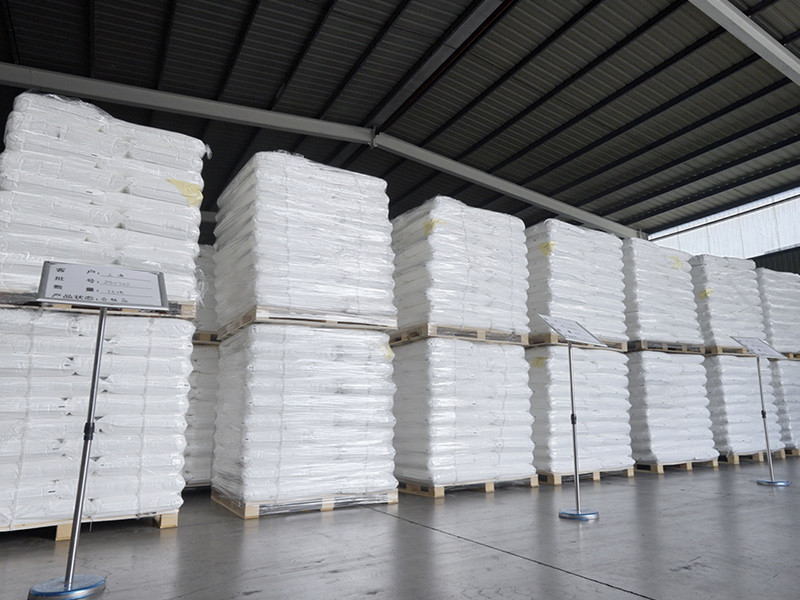
Material stacking must also comply with proper requirements. High-purity thiourea is generally packaged in plastic-lined woven bags or fiber drums. Upon receipt, the original packaging should be kept intact and should not be opened casually and left exposed to air for extended periods. During storage, packages should be placed on moisture-proof pallets and must not be placed directly on the floor, to prevent ground moisture from penetrating the packaging. Stacking height should not be excessive to avoid package damage caused by compression and powder leakage. Materials should also be stored in separate areas. Storage together with strong acids, strong alkalis, or strong oxidizing agents is strictly prohibited, in order to prevent chemical reactions and avoid cross-contamination by metal impurities that would compromise the value of the high-purity product.
Storage after opening the packaging is often overlooked. After opening the package for use, the inner bag must be promptly tied tightly and the outer packaging sealed. If stored open for a prolonged period, moisture, dust, and metal particles in the air may contaminate the material, and external impurities will directly downgrade the high-purity thiourea. Materials that have developed a small amount of caking are not recommended for direct use in high-precision processes such as electronic electroplating and pharmaceutical synthesis; they may only be used in less demanding auxiliary processes after evaluation.
In addition to warehouse conditions, inbound and outbound inventory management must also be properly implemented. Follow the first-in, first-out principle and control inventory cycles; large-volume, long-term stockpiling is not recommended. Upon receipt, inspect packaging for damage, moisture exposure, or signs of water ingress, and ensure proper labeling to distinguish high-purity grade from ordinary industrial thiourea and prevent mixing or misuse. Warehouse personnel should use appropriate protective measures during handling to avoid skin and respiratory exposure to dust.
Emergency protection should also be emphasized. Leak-prevention measures should be in place in the warehouse. If packaging is damaged and material is spilled, it must be collected and sealed for recovery rather than simply swept up and discarded. Spilled powder must not be directly washed into drains.
Many companies focus on procurement while overlooking warehouse storage and handling. The high quality of high-purity thiourea depends not only on purification processes during production; subsequent storage management is equally critical. Only by properly controlling details such as temperature, humidity, stacking, and storage after opening, while preventing moisture exposure, heat exposure, and cross-contamination, can high-purity thiourea retain its factory quality during use and ensure the stable operation of subsequent production and experiments.
Leave Us a Message