


News Center
Related Articles
As an important sulfur-containing chemical intermediate, thiourea is widely used in numerous industrial fields, including mineral processing, electroplating, textiles, and pharmaceutical synthesis, due to its unique chemical complexing and reducing properties. It is rarely used directly as a final product; instead, it more commonly participates in production as a process additive and synthesis raw material. Different industries also have varying standards and requirements for thiourea purity and impurity content.
Precious metal mineral processing and extraction is a particularly core industrial application of thiourea. Under acidic process conditions, thiourea can form stable, soluble complexes with precious metals such as gold and silver, enabling the leaching and recovery of precious metals from ores. Compared with certain conventional leaching agents, the thiourea process offers a relatively fast reaction rate and milder operating conditions. Limited by raw material costs and ore characteristics, this process is more suitable for specific ore types and has not been fully adopted by all mining enterprises. Parameters such as acidity and reagent dosage must also be strictly controlled during production to ensure leaching efficiency.
The electroplating industry is a major application area for thiourea. In electroplating bath solutions for metals such as copper and silver, thiourea commonly serves as a brightener and grain-refining additive. Proper addition of thiourea can alter the metal deposition process, optimize the crystalline structure of the coating, and effectively reduce defects such as roughness, pinholes, and peeling, resulting in a smooth and bright coating surface. However, the amount of thiourea added must be precisely controlled. Excessive dosage can increase coating brittleness and reduce adhesion, thereby lowering product quality. Therefore, factories continuously monitor bath composition according to the type of workpiece and dynamically adjust reagent dosage.
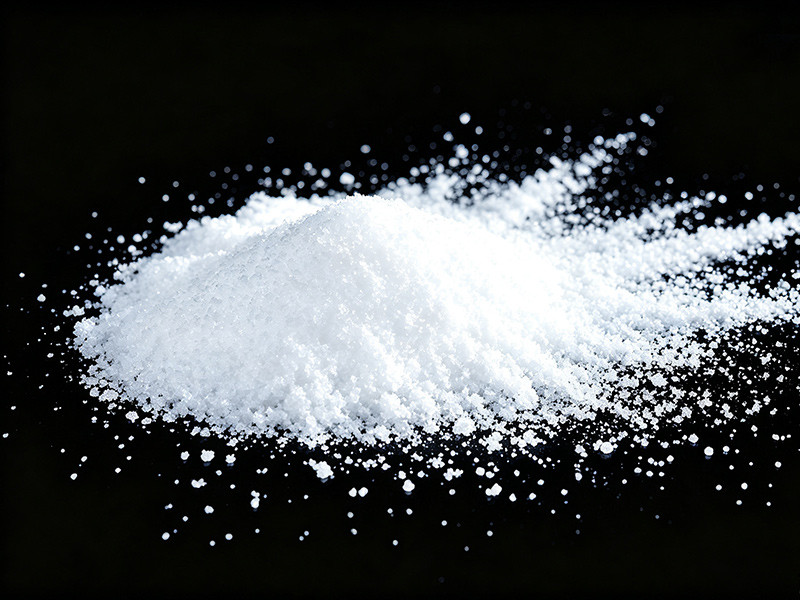
In the textile industry, thiourea mainly functions as a reducing and bleaching agent and is widely used in textile finishing processes. It can be used for bleaching certain fibers to remove colored impurities from fabrics. It can also serve as a synthesis raw material for shrink-resistant and wrinkle-resistant finishing additives, improving the physical and chemical properties of fabrics. It should be noted that wastewater generated after textile processing contains thiourea and must not be discharged directly. It must be treated before being discharged in compliance with applicable standards.
In the fields of fine chemicals and pharmaceutical synthesis, thiourea is a basic raw material for preparing various derivatives. Using thiourea as the parent nucleus, thiourea derivatives can be synthesized through chemical reactions. Such substances are key synthetic intermediates for certain antibacterial formulations and pharmaceutical active ingredients. Laboratories and fine chemical manufacturers generally select reagent-grade or high-purity thiourea to reduce interference from impurities in synthesis reactions.
In addition, thiourea can be used in rubber processing and the preparation of agricultural additives. In the rubber industry, it is used as an auxiliary raw material for vulcanization acceleration; in agriculture, it is used to synthesize plant growth regulator products to regulate crop growth conditions.
As a chemical raw material, thiourea must be used in accordance with safe operating procedures. Respiratory and skin protection should be provided during operation, and it should be stored in a dry, well-ventilated warehouse away from high-temperature heat sources. Thiourea-containing waste liquids generated by various industries must be disposed of in accordance with chemical waste management requirements to avoid environmental pollution risks.
Overall, thiourea spans multiple industrial sectors, with different application scenarios having distinct requirements for product grades and processing methods. Understanding its industrial uses and usage limitations is essential to better realize its chemical value.
Leave Us a Message