


News Center
Related Articles
Thiourea is widely used in mineral processing, electroplating, fine synthesis, laboratory analysis, and other applications. Different operating conditions have significantly different requirements for product quality. Many purchasers focus only on price while overlooking key specifications. Procuring thiourea of nonconforming quality can directly lead to production issues such as coating defects, failed synthesis reactions, and reduced mineral recovery rates. Therefore, thiourea selection should not be based solely on quotations; key parameters such as purity, various impurities, and physical properties should be given careful consideration.
Purity is the fundamental criterion for evaluating thiourea and the main basis for classifying product grades. Products commonly available on the market fall into three categories: industrial grade, analytical reagent grade, and high-purity grade. Ordinary industrial thiourea generally has a purity of 90%‑93% and is suitable for applications such as mineral processing, where impurity tolerance is relatively high. Analytical reagent grade thiourea generally reaches a purity of around 99% and is mostly used in routine laboratory experiments. High-purity thiourea can reach a purity of 99.5% or above and is mainly used in electronic electroplating and pharmaceutical synthesis, where even trace impurities may interfere with product quality. The appropriate grade should be selected according to specific process requirements; higher purity is not always better, as blindly choosing high-purity products will increase production costs.
Impurity specifications are often overlooked during purchasing, but they have a significant impact. Sulfates, chlorides, ash, iron, heavy metals, and other impurities can easily remain from the thiourea production process. Excessive sulfate content can continuously accumulate in electroplating bath solutions, easily causing hazy coatings and coarse crystallization; excessive chloride content can accelerate corrosion of equipment and tanks, shortening the service life of production equipment. Heavy-metal impurities such as iron and lead are even more hazardous. In electronic electroplating processes, trace amounts of heavy metals can degrade coating performance; in chemical synthesis reactions, heavy metals may also act as catalysts, triggering side reactions and reducing the yield of the target product. Ash represents insoluble residues. Excessive ash can easily cause turbid precipitation in solutions and clog filtration equipment.
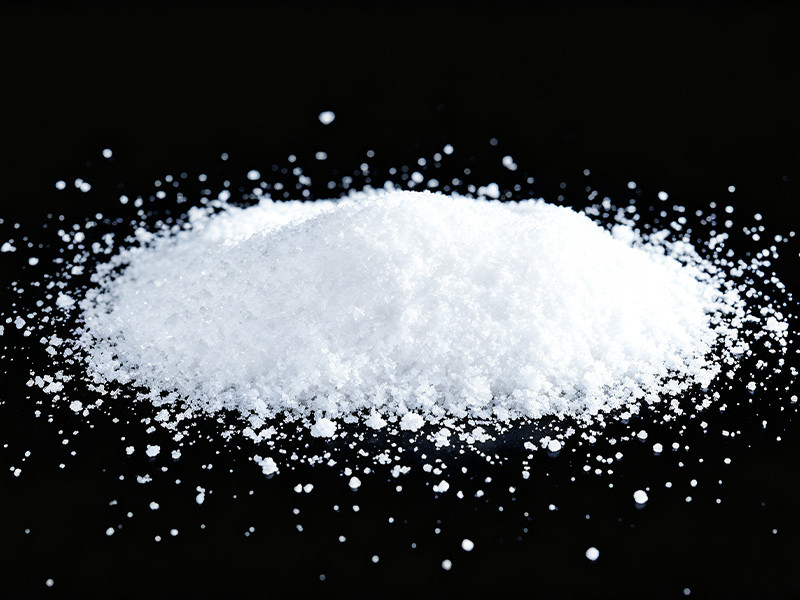
In addition to purity and impurities, appearance and physical specifications also require attention. Qualified thiourea should appear as white crystals or crystalline powder. Yellowing, graying, or caking may indicate that the product has absorbed moisture or undergone oxidative deterioration. Moisture content should also be monitored. Excessive moisture not only reduces the effective content but can also accelerate decomposition and caking during long-term storage, making storage and use more difficult.
When receiving a product test report, review the complete report rather than looking only at the purity value. Some suppliers indicate only the main content without listing impurity items, making it difficult to determine whether the product is suitable for the process. In the electroplating and fine synthesis industries, actual test data for sulfates, chlorides, and heavy metals must be requested; for mineral processing applications, some impurity limits may be relaxed, with primary attention given to the active ingredient and water-insoluble matter.
Storage stability should also be considered. Thiourea is sensitive to moisture and high temperatures. If warehouse conditions are inadequate after purchase, quality deterioration may occur even if the product was qualified upon delivery. Orders should be placed according to the consumption rate to avoid excessive stockpiling and long-term storage.
In summary, thiourea should be selected based on specific process requirements, with a comprehensive assessment of purity, impurities, moisture, ash, and other specifications rather than simply comparing prices. This helps avoid production risks and ensures stable production operations.
Leave Us a Message